
A shutter can look like a simple finishing touch until you see how much it changes a room. It shapes the light across your floors, creates everyday privacy, and adds an architectural layer that feels tailored to the home. When comparing wood versus composite shutters, the better choice is not always the material with the longest feature list. It is the one that suits your windows, your rooms, and the way you want your home to feel for years to come.
For homeowners in The Woodlands and across Montgomery County, that decision also needs to account for Texas heat, humidity, active family spaces, and the character of the home itself. Both materials can create a polished, custom result when measured and installed correctly. Their differences show up in appearance, moisture resistance, weight, maintenance, and price.
The visual difference between wood and composite shutters
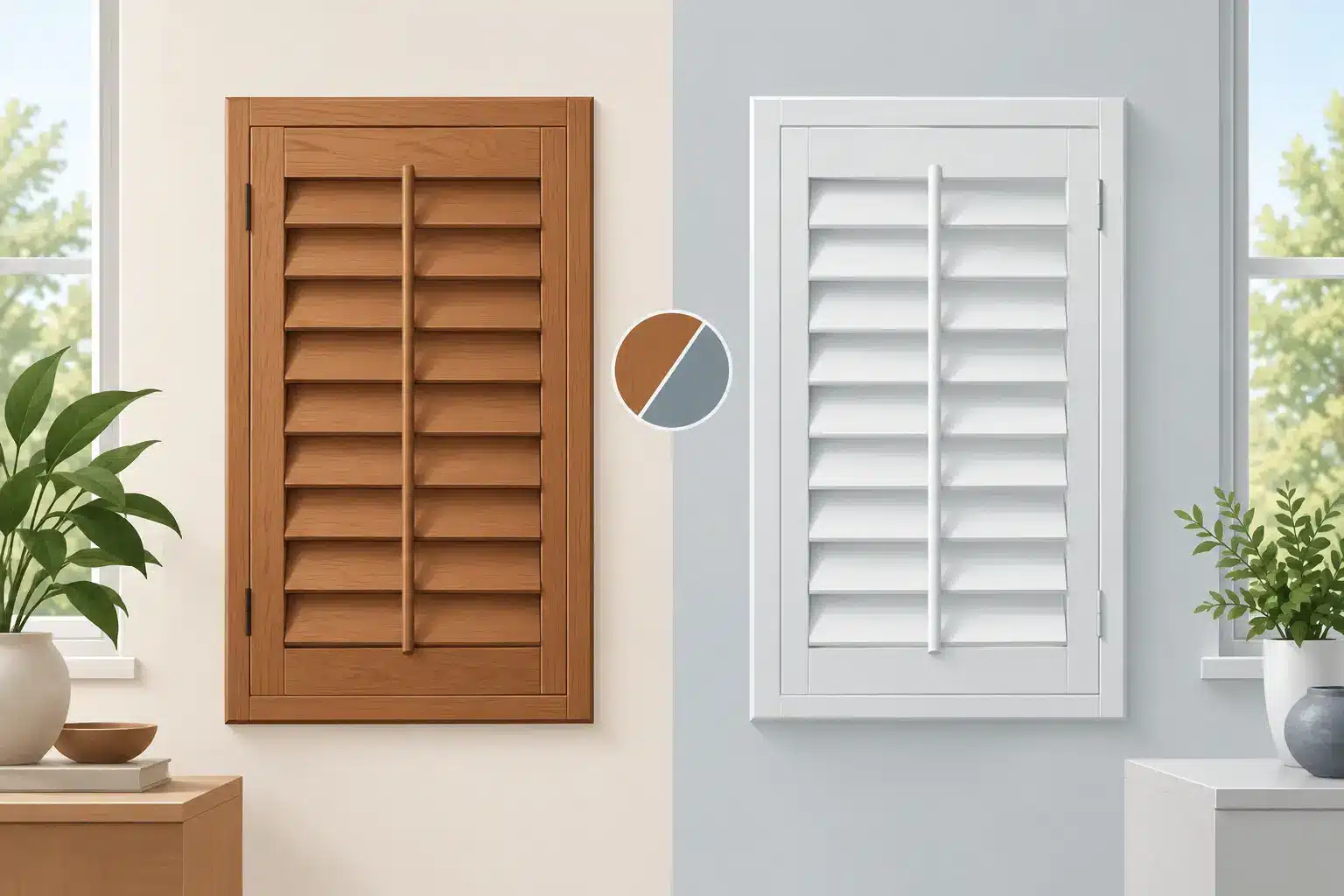
Real wood shutters bring a depth that is difficult to duplicate. Wood has natural grain, crisp detailing, and a warm, substantial presence that works especially well in traditional homes, transitional interiors, studies, dining rooms, and spaces with stained millwork or wood flooring. They can be painted for a clean, classic finish or stained to complement existing cabinetry and trim.
Wood is also remarkably versatile from a design standpoint. Because it is strong and relatively lightweight, it can be crafted into wider panels and larger louvers without looking bulky. That makes it an appealing option for expansive windows, specialty shapes, and rooms where preserving an elegant, refined profile matters.
Composite shutters are engineered from durable materials that may include wood fibers, polymers, or other moisture-resistant components. They are commonly finished in smooth painted whites and neutral tones, creating a clean, consistent look that suits many Texas homes. Quality composite shutters do not need to look utilitarian. With the right frame, louver size, and color, they can look tailored and timeless.
The key distinction is character. If you are drawn to visible wood grain, a stain finish, or the lightness of finely detailed shutters, wood is usually the stronger design choice. If your goal is a uniform painted finish with dependable performance in hardworking spaces, composite can be an excellent fit.
How Texas humidity affects the decision
Humidity is one of the most practical factors in the wood versus composite shutters conversation. Interior shutters are not exposed to outdoor rain, but rooms still experience changing temperatures, moisture, and daily wear. Bathrooms, laundry rooms, kitchens, pool-adjacent spaces, and sunrooms often create conditions where moisture resistance deserves extra attention.
Composite shutters are generally the easier recommendation for these areas. Their moisture-resistant construction helps them hold their shape in humid environments, and their finished surfaces are usually simple to wipe clean. For a bathroom window near a shower or a kitchen window above a sink, that peace of mind can be valuable.
Wood shutters can perform beautifully in climate-controlled living spaces, bedrooms, offices, and formal rooms. However, natural wood can react to significant swings in humidity over time. Proper product selection and professional installation help, but wood may not be the ideal choice for every moisture-prone location.
Heat matters, too. A window that receives intense afternoon sun needs a shutter designed for that exposure. Material performance varies by manufacturer and construction, so this is where an in-home evaluation is especially helpful. The right recommendation considers sun direction, window size, glass type, and how the room is used instead of relying on a one-size-fits-all answer.
Weight, window size, and daily operation
Shutters need to operate smoothly, close evenly, and remain aligned over time. That depends on more than the shutter material. Accurate measurements, appropriate panel configuration, sturdy hinges, and a level installation all matter.
Wood is naturally lighter than many composite options. This can be an advantage on oversized windows or wide openings, where a lighter panel can be easier to operate and place less strain on hinges. It also gives designers more flexibility when specifying larger shutters or special configurations.
Composite shutters are often denser and heavier. On standard-size windows, that is rarely a concern when the shutters are professionally specified and installed. On especially wide or tall windows, though, the number of panels, divider rails, and support requirements should be considered carefully. A trained consultant can determine whether composite is suitable as planned or whether wood offers a better long-term result.
For both materials, think about how you use the shutters every day. Larger louvers provide a more open view and let in generous light when tilted. Smaller louvers can create a more traditional appearance and may suit certain window proportions. Split tilt rods or separate control sections can also give you privacy on the lower portion of a window while allowing daylight through the top.
Maintenance and family-friendly practicality
Neither wood nor composite shutters require complicated upkeep. Regular dusting with a soft cloth or duster will keep louvers looking their best, and occasional gentle cleaning handles fingerprints or everyday buildup. Avoid harsh chemicals and excess water, especially on wood finishes.
Composite shutters tend to be the more forgiving choice in busy areas. They are well suited to homes with children, pets, frequently used patio doors, or rooms where smudges and splashes are part of normal life. Their resilient finish makes routine cleaning straightforward.
Wood shutters ask for a little more care, but many homeowners feel the visual payoff is worth it. In lower-traffic rooms, a quality painted or stained wood shutter can retain its beauty for many years. The decision often comes down to whether the room calls for maximum durability or a more elevated natural finish.
Budget: look beyond the initial price
Composite shutters are often selected because they can provide a custom shutter look at a more approachable price point than premium hardwood. For a whole-home project, that can make a meaningful difference. They offer a strong combination of privacy, light control, durability, and a clean architectural finish.
Wood shutters often cost more because of the material, craftsmanship, finish options, and design flexibility. They can be particularly worthwhile in prominent rooms where their lighter weight, fine detailing, or stain capability will be noticed every day. They may also be the practical choice for unusually large openings where a heavier composite panel is less suitable.
Rather than choosing one material for every window automatically, consider a room-by-room approach. Composite can make sense in bathrooms, laundry rooms, and children’s spaces, while wood may be the better fit for a formal living room, primary bedroom, or home office. A coordinated color and frame style can keep the finished home looking intentional, even when materials vary.
Questions that lead to the right shutter material
Before selecting shutters, it helps to consider a few details that are easy to overlook in a showroom. Which rooms receive direct afternoon sun? Are any windows close to showers, tubs, sinks, or exterior doors? Do you want a painted finish throughout, or are you trying to match stained woodwork? Are there oversized windows, arches, or French doors that require special planning?
It is also worth considering privacy and light management. Shutters offer excellent control because you can adjust the louvers instead of fully raising a treatment. In bedrooms and street-facing rooms, that flexibility is often as valuable as the appearance. For rooms with strong glare, the louver size and panel layout can make a real difference in comfort.
At Made in the Shade Woodlands, we bring product samples into your home so you can compare finishes against your wall color, flooring, trim, and natural light. We will also measure precisely and talk through the practical details that affect performance, from moisture exposure to panel weight and window shape. It truly could not be easier to see what works before making a decision.
The best shutter choice should feel right when the light changes, when the room is busy, and when you look at it from across the house. Whether that leads you to the warmth of real wood or the easy durability of composite, a well-designed shutter becomes part of the home rather than simply something placed over the window.

