
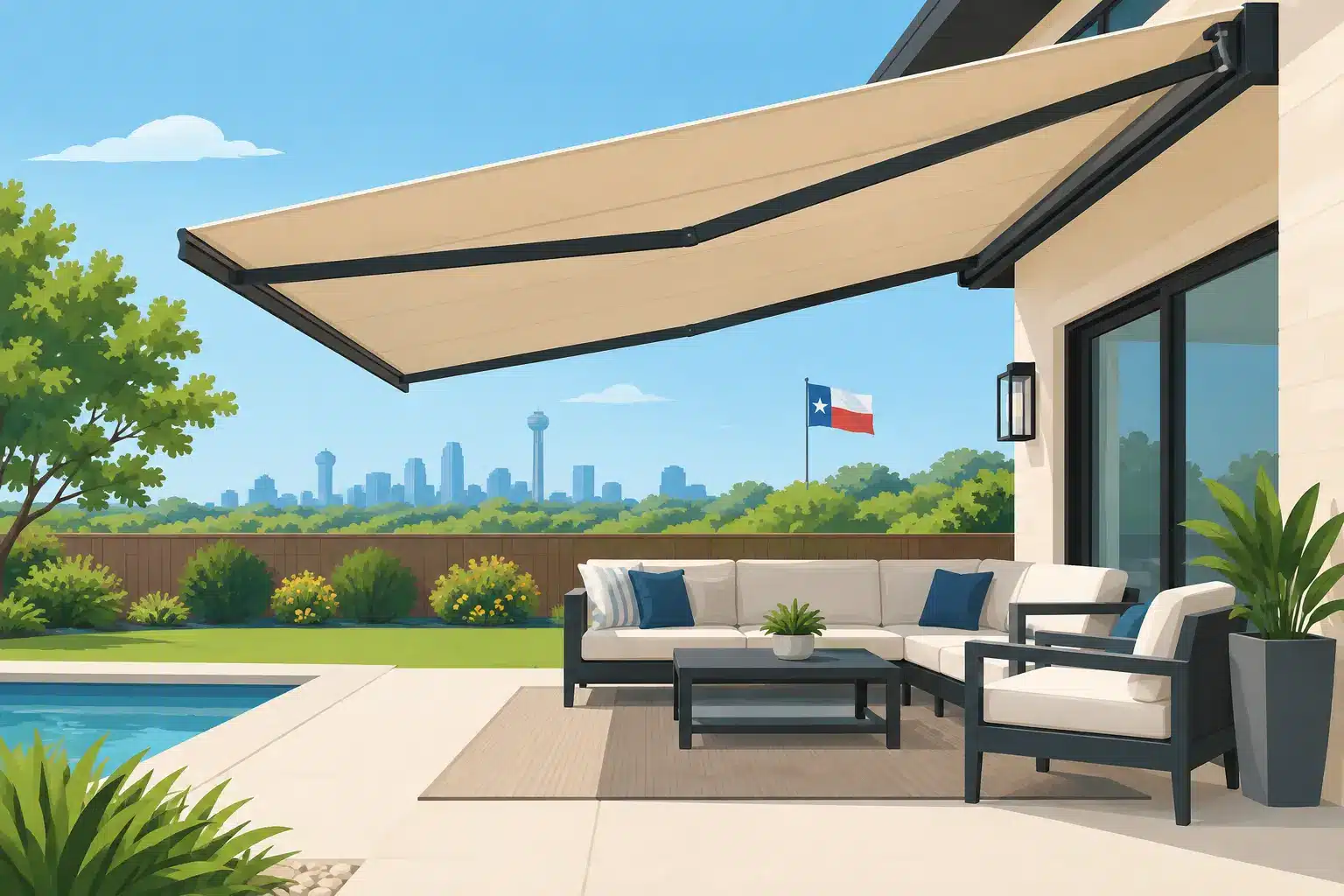
A west-facing patio can feel wonderful at breakfast and nearly unusable by midafternoon. That is why outdoor awning installation is more than a finishing touch for many Montgomery County homes. The right awning creates dependable shade where you need it, cuts glare and direct UV exposure, and helps your patio feel like a true extension of the house instead of a space reserved for the few mild days on the calendar.
A beautiful result starts well before an installer arrives. Your home’s architecture, the direction of the sun, patio dimensions, wall construction, and how you want to use the space all shape the right recommendation. With a custom solution, you can gain comfort without giving up the open-air feeling or the view that made you love the backyard in the first place.
What Outdoor Awning Installation Should Solve
An awning should address a specific outdoor-living challenge, not simply cover as much area as possible. For some homeowners, the priority is making a poolside seating area more comfortable during the hottest part of the day. For others, it is protecting an outdoor kitchen, reducing glare through patio doors, or creating a shaded place where children can play outside.
In The Woodlands and nearby communities, sun exposure is usually the first concern, but heat is only part of the equation. Direct sunlight can fade nearby furnishings, make metal furniture uncomfortable to touch, and turn an otherwise inviting patio into a place people avoid. A properly positioned awning can also reduce the amount of sun striking exterior glass, which may help lessen heat gain inside the home.
Shade does not automatically mean darkness. The material, projection, angle, and placement determine how much light reaches the patio and adjacent rooms. A thoughtful design preserves a bright, welcoming feel while blocking the harshest sun.
Start With Your Patio, Not a Product
Before choosing fabric color, frame finish, or motorization, consider how the patio works on an ordinary week. Do you host dinners outside? Is the space primarily for quiet mornings? Does the afternoon sun come from one side, or does it move across the entire seating area? These details help determine whether a retractable awning, a fixed awning, or a complementary outdoor shade is the better fit.
A retractable awning offers welcome flexibility. Extend it for shade during a hot afternoon, then retract it when you want open sky, stargazing, or unobstructed views. This versatility is especially appealing for patios that receive changing sun conditions throughout the day. Motorized operation makes the choice even easier, particularly for large awnings or homeowners who want to adjust coverage from inside the house.
Fixed awnings can be a strong choice when consistent coverage is the goal. They create a defined architectural feature and do not require operation before each use. Their design must be planned carefully, however, because their coverage is permanent. The wrong size or placement can block more daylight than expected during cooler months.
Outdoor solar shades serve a slightly different purpose. They are especially useful for screened porches, covered patios, pergolas, and openings where glare, heat, insects, or privacy are concerns. In some spaces, an awning overhead paired with outdoor shades at the sides provides more complete comfort than either solution on its own.
Precise Measurements Protect the Finished Look
Outdoor awning installation depends on details that are easy to overlook from ground level. A professional consultation evaluates the width of the intended mounting area, mounting height, door swings, gutters, rooflines, exterior lighting, downspouts, and nearby trees. It also considers the surface behind the mounting point. Brick veneer, stucco, siding, masonry, and wood framing each have different requirements for secure attachment.
Projection matters just as much as width. An awning that is too shallow may leave the main seating area exposed when the sun is low. One that projects too far can interfere with circulation or look out of proportion with the home. The ideal dimensions depend on your patio depth, the sun’s angle, and the clearance available above doors and windows.
This is where a free in-home consultation is particularly valuable. Instead of trying to estimate dimensions from online diagrams, you can see material samples against your exterior colors, talk through how you use the space, and receive guidance based on the actual conditions at your home. Made in the Shade Woodlands brings the showroom to you, then handles precise field measurements before the order is finalized.
Choose Materials Made for Texas Conditions
Outdoor products need to do more than look good on installation day. They need to hold up through strong sun, humidity, sudden rain, wind, pollen, and regular use. Quality awning fabrics are designed for outdoor exposure and are available in colors and patterns that can complement brick, stone, siding, trim, or existing patio furniture.
Color affects both style and performance. Lighter fabrics can create an airy look and may reflect more sunlight, while darker or more saturated options can bring definition to a pale exterior. Patterned fabrics often hide dust and natural debris well. The best choice depends on the home’s exterior palette, how much reflected light you want beneath the awning, and the maintenance level you prefer.
Frame construction also deserves attention. A durable frame, properly sized hardware, and correct mounting are central to long-term performance. Manufacturer guidelines regarding wind and weather are not optional details. Retractable awnings should be retracted during high winds and severe storms, even when they are professionally installed. Some motorized systems can include wind sensors that automatically retract the awning when conditions change, adding practical protection for busy households.
Why Professional Installation Makes a Difference
A custom awning is only as dependable as its installation. The work involves more than placing brackets evenly across a wall. Installers must locate appropriate structural support, use the right anchors and hardware for the exterior surface, establish the correct pitch for water runoff, and make sure the unit opens and closes smoothly.
A proper pitch helps light rain shed away from the fabric rather than collect on it. Mounting height affects head clearance and shade coverage. Alignment affects appearance, operation, and drainage. These factors are difficult to correct after the fact, which is why a measured, professional approach offers real peace of mind.
Professional installation also creates a cleaner experience from start to finish. Your project is specified for the space, ordered to the approved dimensions, installed by trained professionals, and reviewed for proper operation. You are not left sorting through unfamiliar parts, guessing where structural support is located, or managing the risk of an incorrect purchase.
Plan for Operation and Care
Once your awning is installed, simple habits help keep it looking and performing its best. Brush away loose leaves and debris as needed, and follow the manufacturer’s cleaning instructions for the fabric. Avoid storing a retractable awning while it is wet whenever possible. If a sudden shower catches it open, allow it to dry fully before retracting it for an extended period.
Motorization is worth considering if convenience will encourage more frequent use. A wall switch, remote control, or smart-home integration can make shade adjustment feel effortless. It is particularly helpful when the awning covers a dining area or outdoor lounge that you use often. For a smaller patio used occasionally, manual operation may be entirely sufficient.
Warranties vary by product and component, so it is wise to understand what is covered for the fabric, frame, motor, and installation. A local team can explain those details before you commit, rather than leaving you to compare specifications on your own.
A Better Way to Enjoy the Backyard
The best outdoor awning does not call attention to itself every time you look outside. It simply makes the patio more usable, protects the moments you already enjoy there, and fits the home as though it was always part of the plan. Schedule an in-home consultation before the hottest stretch of the season, and you can make design decisions with real samples, accurate measurements, and a clear picture of what your shaded outdoor space can become.

